

How to organize a home library for a serene space
Reading Nook
Key takeaway: Transform your collection from visual noise into a mental sanctuary by selecting one of six proven systems, such as alphabetical or chronological sorting. Precision is vital; calculate your linear meters—averaging 30-40 books per meter—to prevent shelf sagging. This strategic organization reduces cognitive load, saving you from the frustration of an endless hunt for your next great read.
Did you know that a standard meter of shelving typically holds between 30 and 50 books depending on their format? Identifying the right way to manage this volume is the secret to transforming a cluttered room into a serene sanctuary.
Searching for a specific title often turns into a frustrating hunt that disrupts your mental focus. I will show you how to organize a home library using six proven systems to reclaim your space and peace of mind.
- Mastering the Art of Home Library Organization
- Selecting From 6 Systems to Organize a Library of Books
- Modern Tools to Catalog Books in a Home Library
- Using a Shelving Calculator for Precise Space Planning
- Investing in Furniture That Protects Your Collection
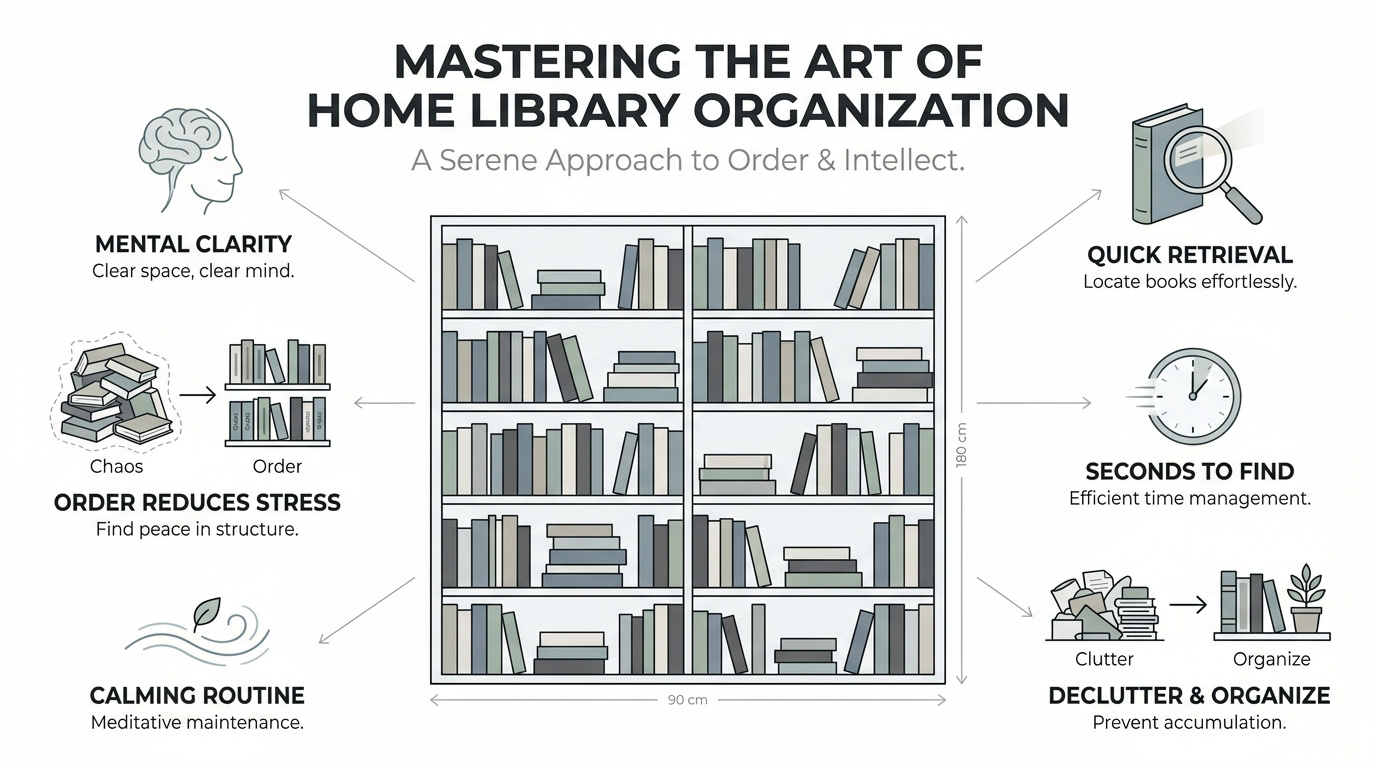
Mastering the Art of Home Library Organization
Effective home library organization relies on choosing between six primary systems, from Dewey Decimal to color-coding, while utilizing digital cataloging apps. Precise space planning requires calculating linear meters based on an average of 30-40 books per meter to prevent shelf sagging and clutter.
The weight of a disorganized collection isn't just physical; it’s a constant source of background static in your daily life.
The Psychological Benefits of a Structured Collection
A messy pile creates constant visual noise. Order reduces the mental load of choosing your next read. A clean shelf acts as a cognitive reset. It turns a room into a sanctuary rather than a storage unit.
Surrounding yourself with books you truly value improves focus. This intentionality shifts your mindset significantly. You move from simply consuming content to appreciating a personal legacy.
A well-organized space serves as the foundation for sophisticated design. In fact, these reading nook ideas for adults show how structure enhances comfort. Logic and aesthetics must work together.
Finding Books Without the Endless Hunt
Searching for a specific title shouldn't take more than ten seconds. Logic beats memory every time. A functional archive serves your curiosity without the frustration of lost volumes.
There is a quiet joy in sliding a book back home. It prevents double-buying copies you forgot you owned. Maintaining this order becomes a meditative habit rather than a chore.
Physical tools help keep books upright and easy to spot. Using a metal bookend ensures your rows stay crisp and accessible. Proper support preserves your collection for years.
Selecting From 6 Systems to Organize a Library of Books
Organization isn't a one-size-fits-all deal; the system you pick dictates how you interact with your stories.
Alphabetical and Genre-Based Classification
Sorting by author is the gold standard for fiction lovers. It mirrors the bookstore experience perfectly. You always know exactly where your favorite novelist sits on the shelf.
Non-fiction thrives under subject-based headers like history or science. This allows for topical browsing when you want to learn something specific. It turns your library into a categorized knowledge base.
- Pros of alphabetical: fast retrieval, easy to expand.
- Pros of genre: thematic browsing, better for large non-fiction sets.
Visual and Chronological Arrangement Styles
Color-coding looks stunning in modern living rooms. It treats books as decor. However, finding a specific title requires remembering the spine color, which is tricky.
Arranging by publication date tells the story of literature's evolution. It works best for collectors of specific eras or movements. You see how ideas developed over decades right before your eyes.

Visual styles can make a small room feel more curated. This approach balances aesthetic charm with a logical, time-based flow.
The Dewey Decimal and Personal Interest Hybrids
Professional systems like Dewey are for the hardcore bibliophile. But mixing them with emotional categories—like "books that changed me"—adds a personal soul. It bridges the gap between logic and heart.
| System | Best For | Ease of Use | Aesthetic Value |
|---|---|---|---|
| Alphabetical | Fiction Lovers | 5/5 | 3/5 |
| Genre | Researchers | 4/5 | 3/5 |
| Color-coded | Designers | 2/5 | 5/5 |
| Chronological | Historians | 3/5 | 4/5 |
| Dewey Decimal | Hardcore Collectors | 1/5 | 2/5 |
| Personal Interest | Emotional Readers | 4/5 | 3/5 |
| Hybrid | Most Households | 4/5 | 4/5 |
Combining two systems often yields the best results. Use genre for the main sections and alphabetical for the authors within those groups. It is the ultimate way to stay organized.
Modern Tools to Catalog Books in a Home Library
Once the physical layout is set, digital tools act as the brain of your library, tracking what your eyes can't see.
Leveraging a Home Library Organization App
Mobile apps turn your phone into a barcode scanner. Scanning ISBNs is the fastest way to build your database. Apps like LibraryThing or Goodreads provide instant data entry. You get full details without typing a single word.
Tracking features prevent common headaches. Use lending logs to remember who borrowed your favorite novel. Wishlist management stops you from buying duplicates. It is like having a professional librarian in your pocket at all times.
Monitoring your progress is easier with the right tools. Mark your spot with magnetic bookmarks while the app logs your reading stats. This ensures you never lose your place or your data.
Physical Tagging vs Digital Database Management
Physical labels add a classic, tactile feel to your study. Bookplates and spine labels claim ownership clearly. This is the ideal choice for those who value the traditional aesthetic of a private collection.
Digital syncing offers security that physical labels cannot match. A cloud-based catalog works across your phone and laptop. You can check your inventory while standing in a bookstore. It keeps your data safe from hardware failure.

Use physical markers for books in your active digital queue. A heart leather bookmark serves as a visual cue for your current read. It bridges the gap between your digital list and the physical book.
Using a Shelving Calculator for Precise Space Planning
Good intentions won't hold up your books; you need hard math to ensure your shelves don't bow under the weight.
Calculating Linear Meters for Your Collection
To start, use a simple formula. Measure the width of a stack of ten books. Multiply that measurement by your total volume count. This calculation reveals the exact linear meters your current collection occupies.
Width differences significantly impact your results. Hardcovers occupy much more space than mass-market paperbacks. Budget for roughly 30 hardcovers per meter. Paperbacks allow for closer to 45 or 50 volumes per meter.

Managing these variations requires a flexible setup. Using an adjustable book holder stand or modular supports helps manage varying shelf lengths. These tools keep your rows tidy regardless of the total linear distance required.
Planning for Growth and Shelf Depth Requirements
Always incorporate a buffer space into your design. Leave 20% of each shelf empty. This strategy allows for new acquisitions without constant, frustrating reshuffling. A full shelf is a stagnant library that cannot grow.
Standard depths are equally vital for a professional look. Art books and coffee table volumes need at least 30cm of depth. Standard fiction only requires about 20cm. Mixing depths prevents books from hanging over edges or getting lost in shadows.
Proper depth ensures your collection remains accessible and protected. Consider these standard measurements for your planning:
- Standard paperback depth: 20cm.
- Hardcover depth: 25cm.
- Art/Oversized depth: 30-35cm.
Investing in Furniture That Protects Your Collection
The final step is housing your curated world in furniture that respects the weight and value of your paper treasures.
Built-in Versus Modular Shelving Units
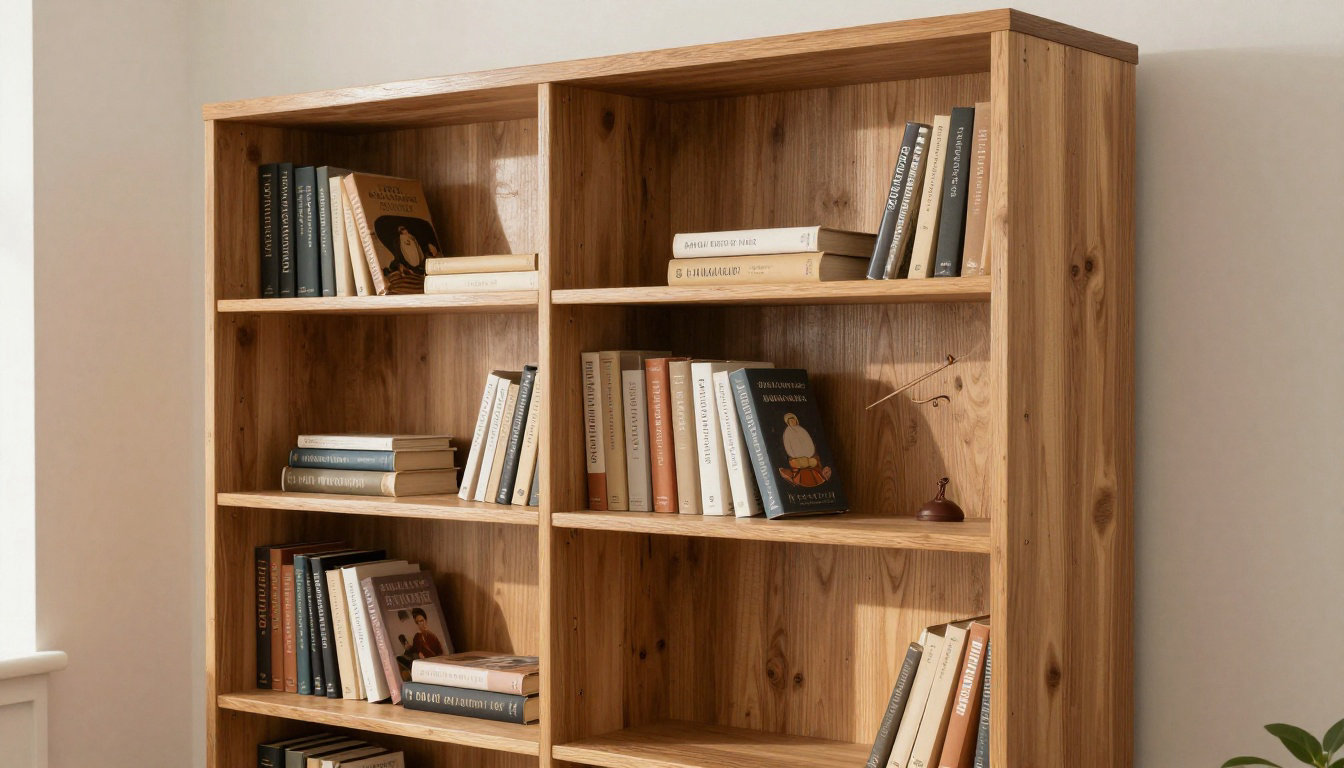
Custom built-ins offer a seamless look and maximize every inch of wall space. They are permanent investments in your home's value. However, they lack the flexibility of modular systems that move with you. Longevity depends on your lifestyle.
Modular units are better for renters or changing rooms. They allow for vertical growth. Ensure they are anchored to the wall to prevent tipping accidents. These choices must link to your specific layout.
The best shelves deserve a comfortable place to sit nearby. You might consider adding an comfy reading chair to complete the space. Quality seating makes your library truly functional.
Evaluating Material Durability and Weight Limits
Cheap particle board will bow under the weight of heavy books. This ruins the aesthetic and can damage spines. It is a false economy for serious collectors. Avoid sagging risks by choosing better materials.
Solid wood or reinforced metal are the only choices for large libraries. They handle the load without flinching. Investing in quality materials ensures your collection remains safe and level for decades. These solid options are non-negotiable.
Pair your sturdy shelves with furniture that matches the quality of your library. An oversized reading chair provides the perfect anchor. Your books and your back will thank you.
Mastering how to organize a home library transforms visual noise into a curated sanctuary. By selecting a proven system—like alphabetical sorting or genre-based hybrids—and calculating precise linear meters, you protect your collection's longevity. Start organizing today to reclaim your mental clarity and enjoy a perfectly structured literary legacy.


