

Reading Nook Ideas for Living Room: Create Your Sanctuary
Reading Nook
Key takeaway: Creating a high-performance reading sanctuary requires 150-300 lux of stable, flicker-free light and an ergonomic chair with a 40-50cm seat height. By utilizing south-facing windows for natural illumination and reclaiming just 1m² of floor space, you eliminate eye strain and neck fatigue, transforming any small corner into a professional-grade retreat for deep focus.
Research indicates that a dedicated reading space requires a minimum of 300 lux to prevent eye fatigue, yet many living rooms remain poorly lit for deep focus. We often settle for reading on a cramped sofa where inadequate lumbar support and harsh shadows turn a relaxing hobby into physical strain.
I will help you transform those underutilized corners into a professional sanctuary using strategic Reading Nook Ideas for Living Room. We are going to explore how ergonomic reading chair and smart reading lighting can elevate your comfort and maximize every square inch of your home.
- Finding Your Ideal Reading Nook Location
- Core Components for Lasting Comfort
- How to Set Up Your Nook in Small Spaces?
- 5 Elements for a Nook in 15m²
Finding Your Ideal Reading Nook Location
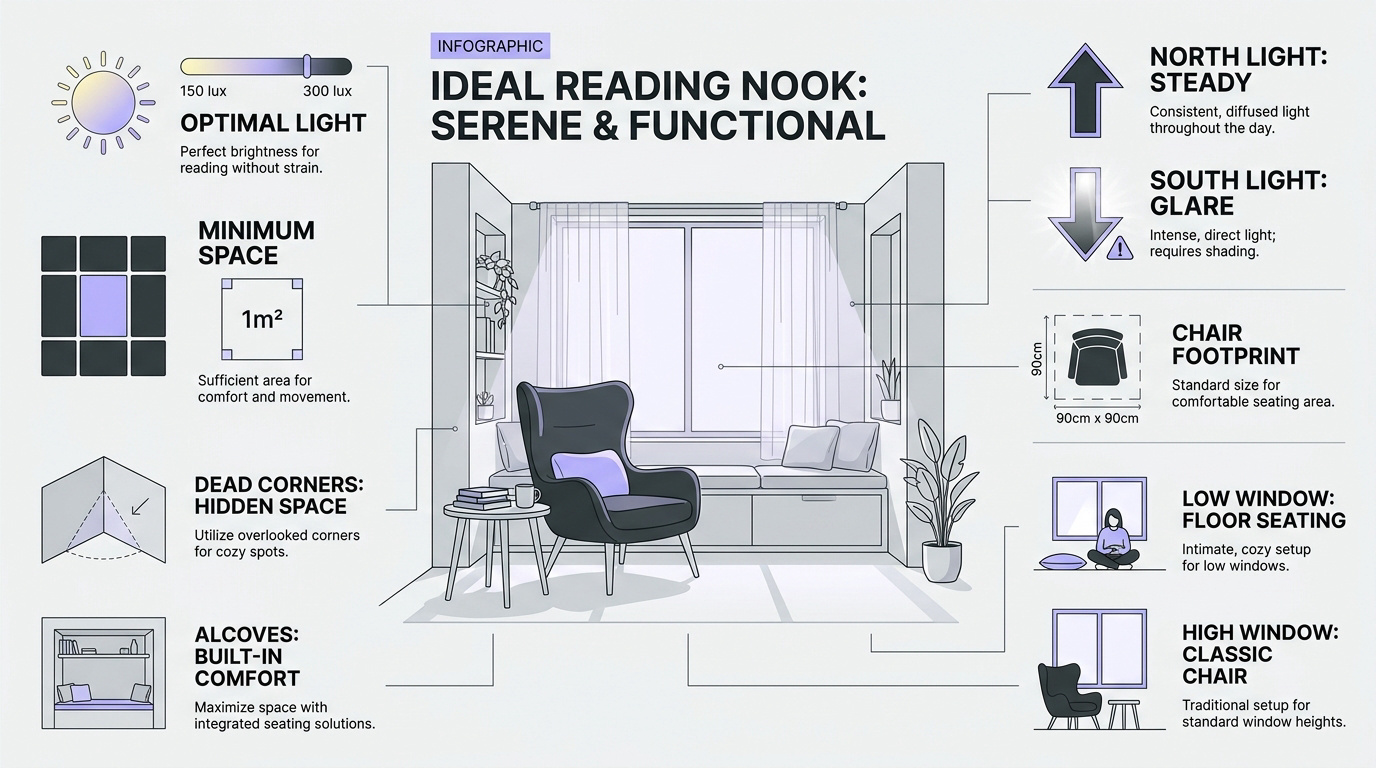
A successful reading nook requires 150-300 lux of light, an ergonomic chair with lumbar support, and at least 1m² of space. Natural light from north-facing windows provides the most consistent illumination for daytime reading sessions.
The right spot often starts where the light hits best, so let's look at your windows first.
Using Windows for Natural Illumination
Evaluate the intensity of natural light throughout the day. Check if the window faces north for steady glow or south for harsh glare. Position your seat to avoid direct shadows on the pages. Ensure there is enough clearance for curtains.
Measure the floor area directly beneath the window sill. Most standard armchairs require a 90cm by 90cm footprint. Leave a small gap between the glass and the chair for airflow.
Consider the height of the window frame. Low windows work best with floor cushions or beanbags. Higher windows pair perfectly with a classic reading chair and a small side table.
Reclaiming Dead Corners and Architectural Alcoves
Look for unused corners in your living room layout. Often, the space behind a door or beside a fireplace is wasted. These spots offer built-in privacy for deep focus reading.
Assess structural recesses for potential built-in seating solutions. A simple wooden bench with a custom foam pad can transform a shallow alcove. This saves floor space while creating a cozy, integrated look. Use reading nook ideas for small spaces to optimize these gaps.
If you are struggling with a tight floor plan, you can find specific inspiration in our guide on reading nook ideas for small spaces. These architectural "dead zones" are actually hidden gems for focus.
Core Components for Lasting Comfort
Finding the spot is only half the battle; the real magic happens when you select the right gear to support your body and eyes.
Selecting Ergonomic Seating Options
Prioritize back support over trendy aesthetics. An upright armchair prevents neck strain during long chapters. Lounge styles are great for napping but might cause slouching. Test the seat depth to ensure your feet touch the floor comfortably.
Choose high-density foam cushions for longevity. Soft feathers feel good initially but lose shape quickly. Look for durable fabrics like linen or treated polyester that resist pilling over time.
Investing in a dedicated reading nook chair ensures your spine stays aligned. For a touch of timeless durability, consider a leather reading nook chair that adapts to your body heat.
Balancing Task and Ambient Lighting
Direct light is essential for clarity. Use a floor lamp with an adjustable neck to beam light onto your book. This prevents your head from casting shadows on the text.
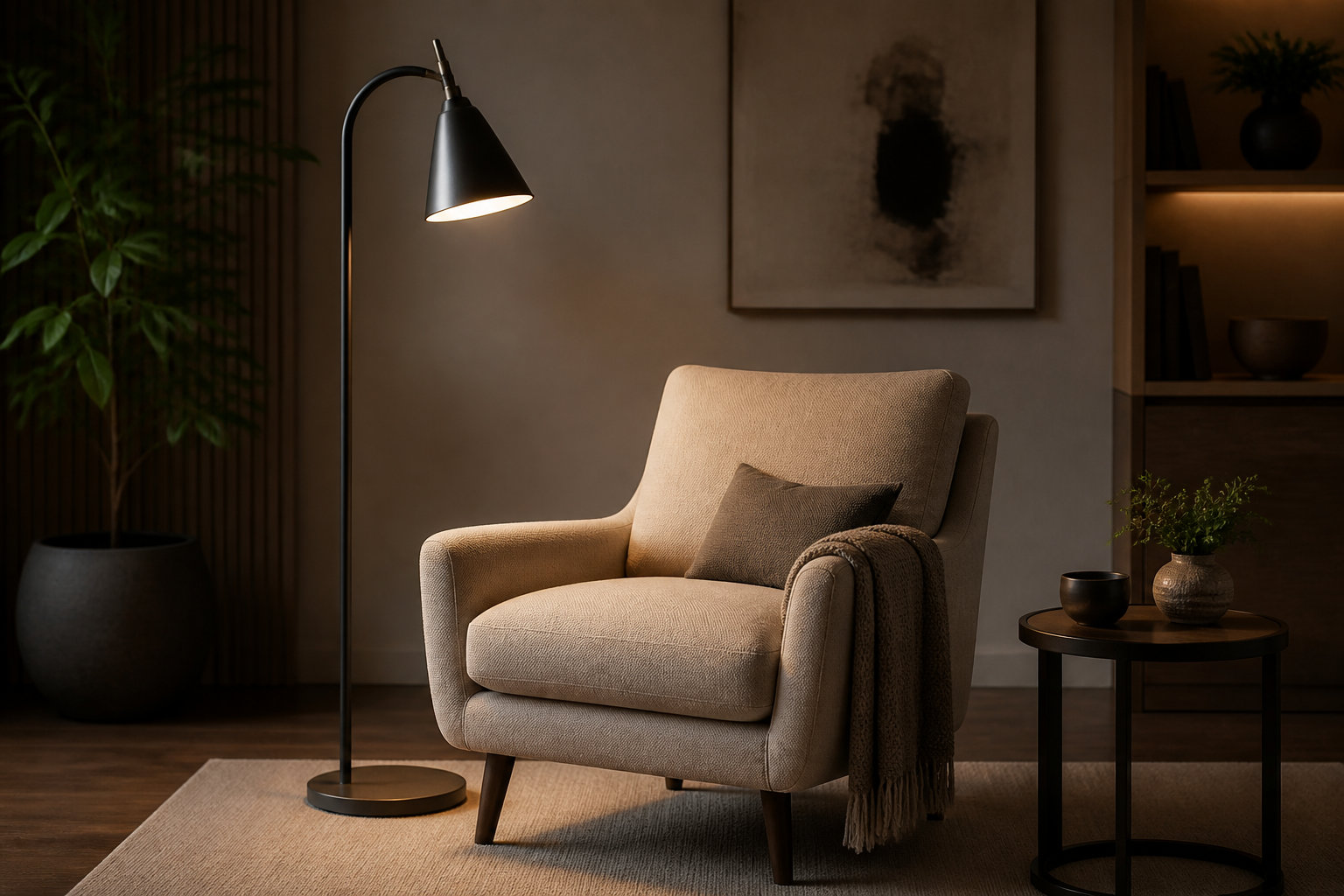
Avoid reading in a dark room with only one bright lamp. This high contrast causes significant eye fatigue. Add a soft background light or a dimmable wall sconce. This creates a balanced environment that is easy on the eyes.
To find the perfect glow, browse the best floor lamps for reading. Aim for a color temperature between 4000K and 5000K to maintain focus without strain.
Implementing Vertical Storage for Books
Wall-mounted ledges save valuable floor space. Install them at shoulder height for easy access while seated. This keeps your current "to-be-read" pile within arm's reach at all times.
Group your books by size to maintain a clean visual line. Larger hardcovers should sit at the bottom, with slim paperbacks on top. This prevents the shelving from looking cluttered or overwhelming in a small living room setup.
- Floating shelves for modern looks
- Picture ledges for cover-forward display
- Corner units for maximum efficiency
How to Set Up Your Nook in Small Spaces?
Even if your floor plan is tight, you can carve out a sanctuary by looking at your existing furniture with a fresh eye.
Converting Under-Stair Gaps into Sanctuaries
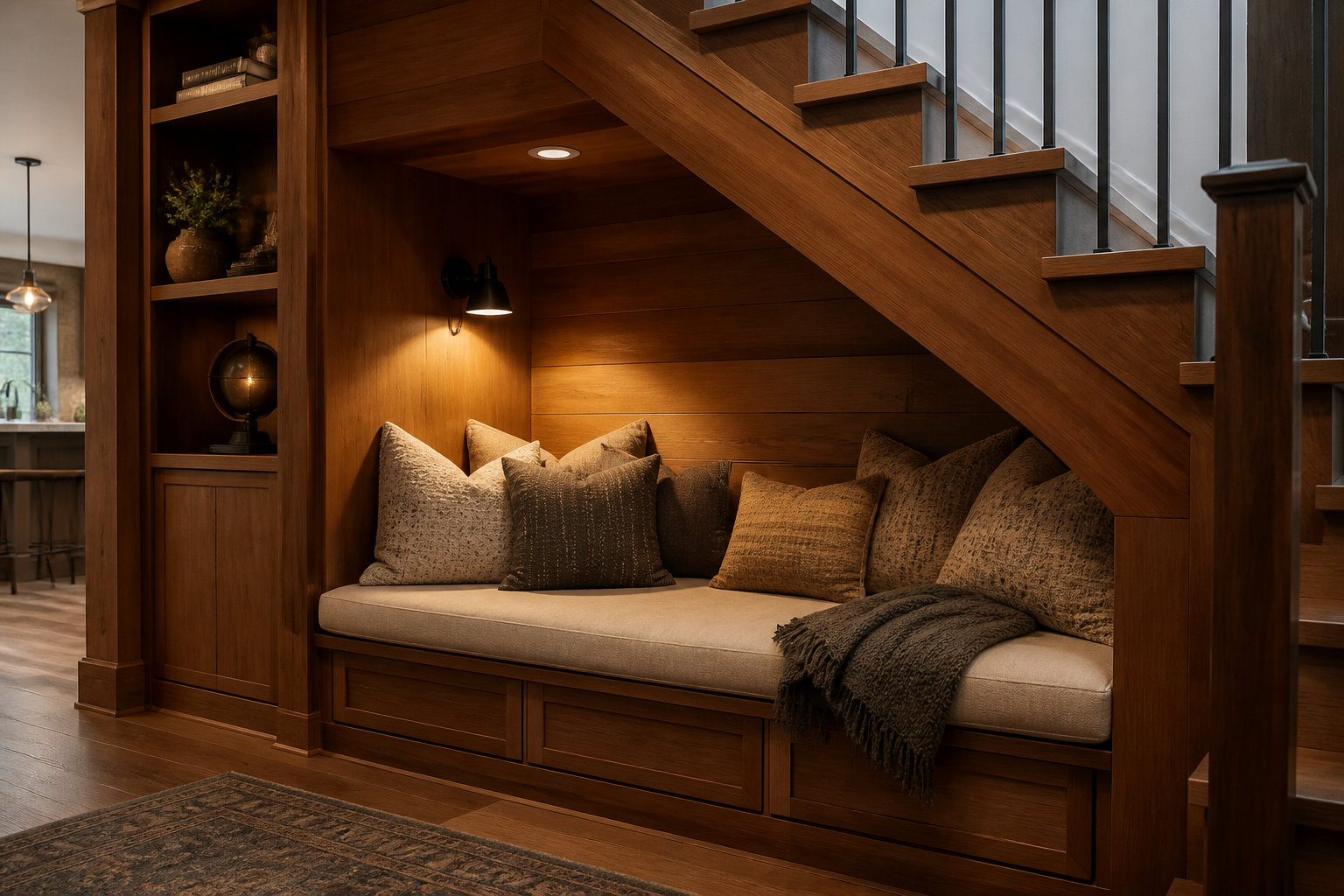
The slope of a staircase is a natural frame for a cozy seat. Measure the angle carefully before buying or building a bench. Custom cushions can hide the awkward corners. This turns a dusty void into a functional retreat.
Install recessed shelving into the back wall of the staircase. This utilizes the internal depth of the structure. It provides plenty of room for books without blocking the walkway.
Focus on best reading nook setup principles to ensure the wall reading lamp is adequate in these often dark, enclosed areas of the home.
Designing Sofa-Side Reading Zones
Slide a slim C-shaped table between the sofa and the wall. This provides a surface for your coffee without needing a full coffee table. It keeps the floor clear and open.
Use the arm of your existing couch as a backrest. Simply add a firm lumbar reading pillows to create a dedicated reading corner. This avoids the need for a second chair. It is a smart way to define a new zone.
For more inspiration on optimizing your layout, check out our guide on the best reading nook setup to transform any corner into a literary escape.
5 Elements for a Nook in 15m²
When every centimeter counts, your choice of furniture becomes a strategic decision rather than just a stylistic one.
Picking Multi-functional and Slim Furniture
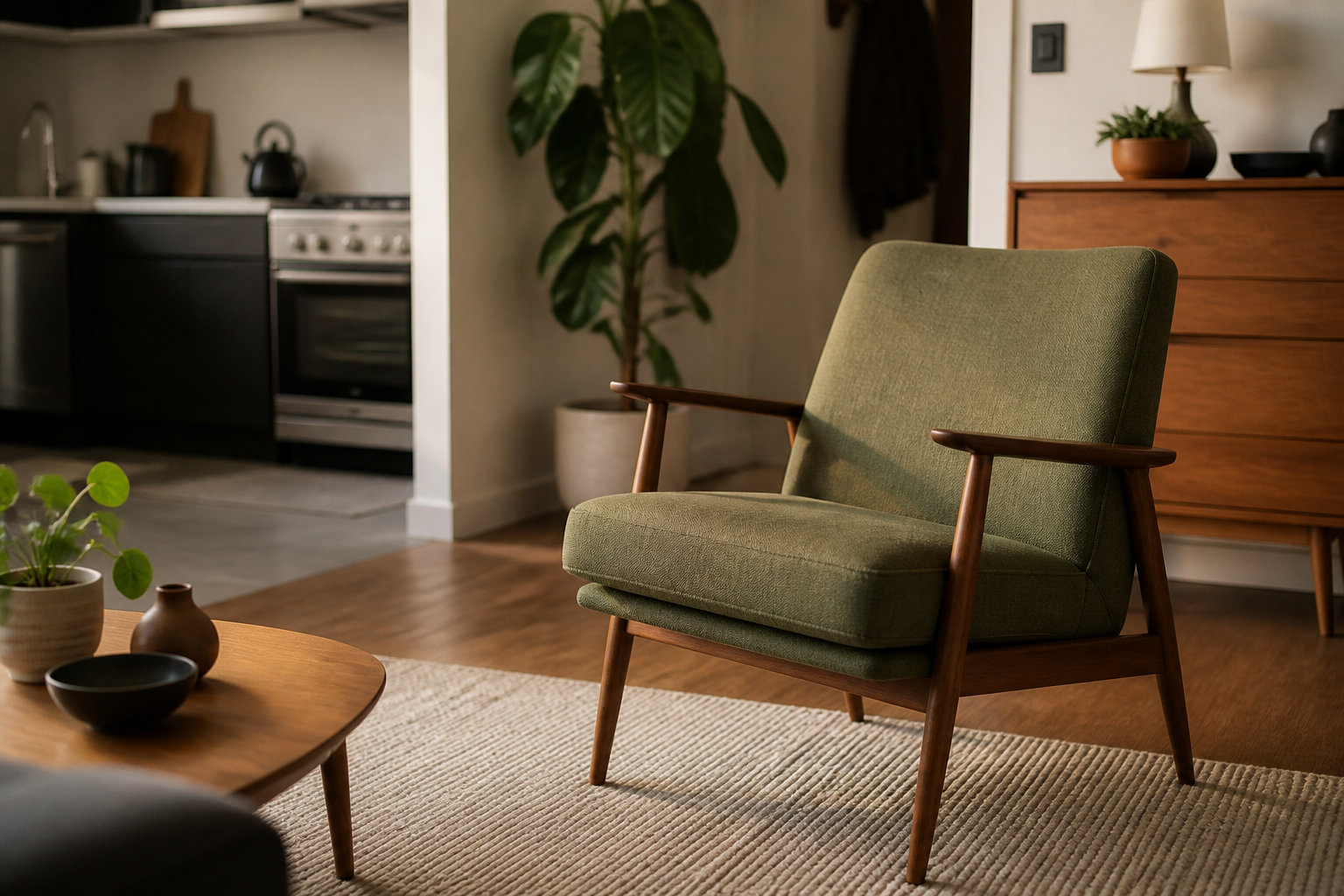
Choose armchairs with exposed legs. Seeing the floor underneath creates an illusion of more space. Bulky, skirted chairs make a small room feel cramped. Opt for mid-century modern designs for a light, airy feel in tight quarters.
Nesting tables are a lifesaver in 15m² apartments. They tuck away when you need floor space for yoga or guests. Pull them out only when it is time to read.
If you prefer more room to lounge, finding the best oversized chair for reading that still features slim legs can offer comfort without overwhelming your limited square footage.
Estimating Costs for a Compact Setup
| Item | Budget Option | Mid-Range Option | Why it matters |
|---|---|---|---|
| Chair | $100 (Compact Armchair) | $350 (Ergonomic Fabric) | Comfort rating: 9/10 for long sessions. |
| Lighting | $20 (Clip-on Lamp) | $120 (Adjustable Floor Lamp) | Proper lumens prevent eye strain. |
| Side Table | $25 (Small Round Table) | $60 (Nesting Tables) | Holds your coffee and current reads. |
| Pillow | $10 (Cotton Cover) | $30 (Velvet Lumbar) | Essential for lower back support. |
| Throw Blanket | $15 (Fleece) | $45 (Faux Fur) | Adds texture and warmth to the nook. |
| Shelving | $15 (Floating Shelf) | $50 (Narrow Etagere) | Keeps floor space clear and organized. |
Entry-level setups can cost as little as $150 if you repurpose existing items. A mid-range investment of $500 provides higher quality fabrics and better ergonomic support for long-term use.
Check out the reading accessories for book lovers to find small additions that fit any budget. These curated details truly personalize your sanctuary.
Transforming your home starts with optimizing natural light, selecting ergonomic seating, and reclaiming underused alcoves. Act now to integrate these reading nook ideas for living room into your layout. You deserve a personalized sanctuary where comfort meets style for your future moments of pure relaxation.
FAQ
How much space do I really need for a cozy reading nook?
You don't need a massive library to create a sanctuary; in fact, a successful reading nook can be established in as little as 1 square meter. The key is identifying an under-utilized "dead zone," such as a quiet corner of your living room or a structural alcove, and ensuring you have enough clearance for a comfortable seat.
For those using a standard armchair, we recommend a floor footprint of approximately 90cm by 90cm. If you are working with a tighter layout, consider a slim "C-shaped" table and a firm lumbar pillow on your existing sofa to define the zone without adding bulky furniture.
What is the minimum chair size for a comfortable reading spot?
When selecting your seating, comfort and accessibility are paramount. While specific dimensions vary by design, a functional setup should prioritize ergonomic support and ease of movement. For a truly accessible space, aim for a circulation area of 1.50m in diameter around the chair to ensure you never feel cramped.
If you are optimizing a small 15m² living room, we suggest choosing mid-century modern styles with exposed legs. These designs provide the necessary back support for long reading sessions while keeping the floor visible, which creates an illusion of openness rather than cluttering your limited square footage.
Where is the best place to position a reading nook in a standard living room?
We often find that the most inviting nooks are placed near north-facing windows. This orientation is a reader's best friend because it provides a steady, diffuse natural glow throughout the day without the harsh glare or heat of direct southern sunlight, significantly reducing eye fatigue.
If window space is unavailable, look for architectural "dead zones" like the gap under a staircase or a shallow wall niche. These spots offer built-in privacy and can be easily transformed with a custom bench or a small armchair and a dedicated floor lamp to create a focused retreat.
How can I create a reading area if I have no extra floor space?
When floor space is at a premium, think vertically and multi-functionally. We recommend installing floating wall shelves or picture ledges at shoulder height to keep your books within reach without needing a bulky bookcase. This keeps the walkway clear while displaying your favorite titles as part of your decor.
Another expert trick is to use multi-functional furniture, such as a storage ottoman that acts as a footrest, extra seating, and a place to tuck away blankets. By repurposing a corner of your existing sofa with a high-quality reading lamp and a soft throw, you can carve out a dedicated "zone" without a single renovation.
What are the essential elements for a successful small-scale nook?
To turn a simple chair into a true reading sanctuary, you need to balance five core elements: ergonomic seating, targeted lighting, accessible storage, physical comfort (like cushions and plaids), and personal touches. Even on a budget of $150, you can achieve this by repurposing items and adding a high-quality task lamp.
For the best experience, ensure your lighting reaches 150-300 lux to protect your vision. Adding a small side table for your coffee and a few indoor plants will transform a functional corner into a restorative escape that Pinterest dreams are made of, right in your own home.


