

How to create a reading nook | 2026 Pro Design Guide
Reading Nook
Key takeaway: Creating the perfect reading nook requires balancing ergonomic support with sensory comfort. To prevent eye strain and physical fatigue, prioritize a 2700K warm-toned light and a seat with a Martindale durability score above 25,000. These technical choices transform any quiet corner into a sustainable sanctuary for long-term immersion, ensuring your focus remains entirely on the story.
A functional reading nook requires a minimum depth of 24 inches for seating and at least 500 lumens of focused lighting to prevent eye strain during long sessions. Whether you are tucking into a triangular void under the stairs or a quiet corner of the living room, these technical foundations transform a simple chair into a true sanctuary.
Too often, we try to relax in spaces plagued by foot traffic or poor lumbar support, leading to more back pain than literary progress. We will show you exactly how to create a reading nook by optimizing your floor plan, selecting high-durability fabrics, and layering sensory elements to build your perfect escape.
Discover 25 Reading Nook Ideas to Create Your Perfect Cozy Corner
- Finding the Best Spot for Your Reading Nook
- Choosing Seating for Long-Term Comfort
- Lighting Strategies for Focus and Mood
- Storage Hacks for Small Apartment Libraries
- Sensory Styling for a Better Environment
Finding the Best Spot for Your Reading Nook
A functional reading nook requires a 24-inch seating depth and 500 lumens of warm lighting. Strategic placement in alcoves or closets maximizes privacy, defining the comfort of your dedicated sanctuary.
The mention of structural foundations leads directly into the architectural potential of under-stair spaces.
Make use of the space under the stairs or in a corner of a room
Identify architectural dead zones like the void under stairs. These spots offer natural enclosure and quiet, away from daily household noise.
Evaluate closet conversions for deep privacy. Remove doors and add a built-in bench. This setup works perfectly in busy, shared households for total immersion.
Check for nearby outlets. Power is essential for lamps and charging your e-reader devices while you relax in your new space.
Measure the floor area carefully. Ensure an armchair fits without blocking the room's main traffic flow or creating a cramped environment.
Creating a reading area in open-concept layouts
Use large area rugs to anchor the space. This creates a clear visual boundary between the quiet zone and active living areas.
Position furniture to block traffic. High-back chairs act as a physical shield, reducing noise and keeping the reader feeling secure and isolated.
Add a tall plant or folding screen. These provide a soft psychological barrier without the need for building permanent walls.
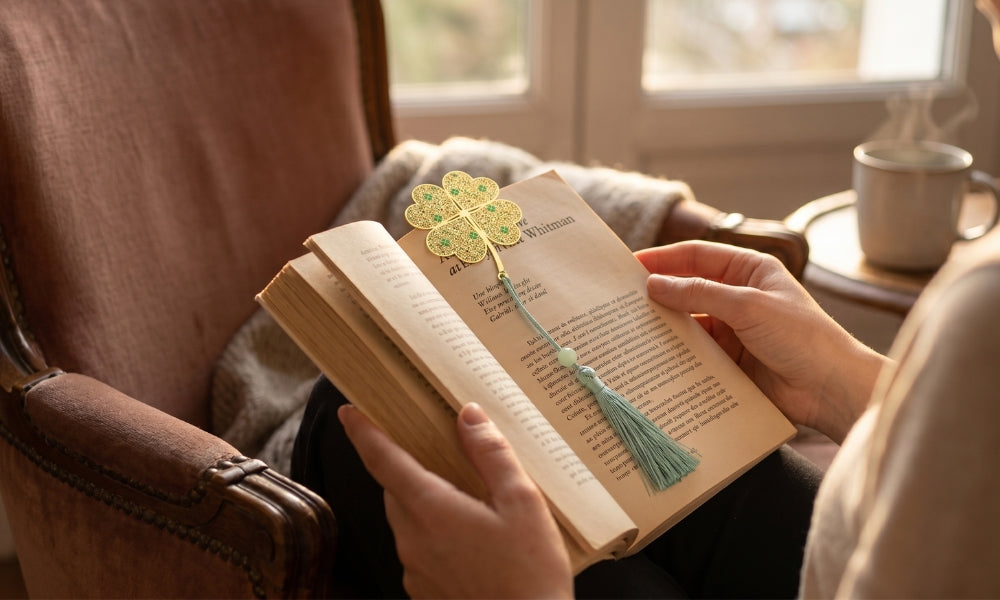
Find inspiration at readingnookr.com to help define your boundaries. These small changes transform a chaotic room into a peaceful retreat.
Choosing Seating for Long-Term Comfort
Finding the right location is only half the battle; the actual seat determines how long you will stay.
Ergonomics and lumbar requirements
Compare chair heights and depths carefully. Your feet should rest flat on the floor. Proper leg support prevents numbness during long, intense reading sessions.
Use reading pillows or husband pillows. These provide vital support for the lower back. They help maintain a healthy spine curve. Avoid soft sofas that cause you to slouch.
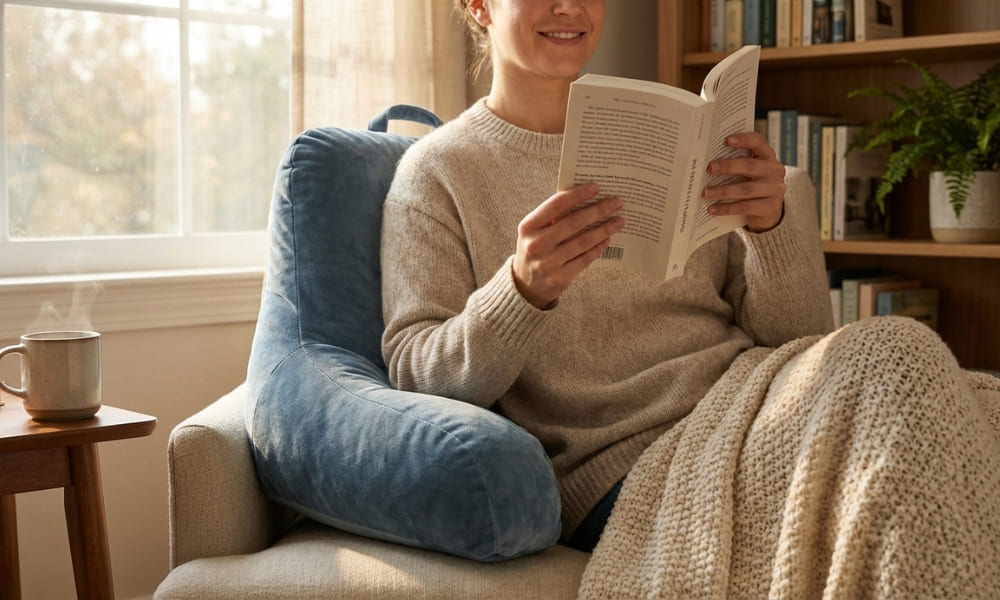
Test the armrest height. Your shoulders should remain relaxed while holding a heavy hardcover book.
Consider an ottoman. Elevating your legs improves circulation and enhances the overall relaxation of the nook.
Heavy-duty fabrics for high-use areas
Select durable textiles like performance linen. These fabrics resist wear and stains effectively. They are essential for furniture that sees daily use by readers.
Suggest cozy textures like wool or velvet. These materials add immediate warmth and luxury. They make the space feel inviting even during the coldest winter months.
| Fabric Type | Durability | Comfort Level | Best For |
|---|---|---|---|
| Velvet | Medium | Soft | Luxury |
| Cotton Canvas | High | Firm | Daily |
| Wool | High | Soft | Daily |
| Synthetic Microfiber | High | Soft | Pets |
Check the Martindale rating of the fabric. A score above 20,000 ensures the seat lasts for years.
Lighting Strategies for Focus and Mood
Once the seat is cozy, you need to ensure your eyes don't tire before the story ends.
Reading lamps for desk and color temperature
Warm light reduces eye strain significantly. Aim for a color temperature around 2700K. This mimics the soft glow of traditional incandescent bulbs for a cozy feel.
Position adjustable wall sconces behind your shoulder. This eliminates shadows on the page. It provides direct task lighting exactly where you need it. Avoid overhead lights that cause glare.

Use dimmable switches. Adjusting the brightness allows you to transition from focus to relaxation easily.
Find more expert tips in our reading nook guide. Proper lighting is a game-changer for your comfort.
Battery-powered options for cordless spots
Rechargeable LED lamps solve the outlet problem. They are perfect for closets or middle-of-the-room spots. Many models offer several hours of high-quality, flicker-free light.
Use neck lamps or clamp-on lights. These are highly portable and lightweight. They allow you to read in any position without needing a side table.
Look for USB-C charging ports. This ensures your lighting is compatible with modern cables and power banks.
- Rechargeable LED sconces
- Clip-on book lights
- Battery-operated floor lamp with reader
- Solar-powered window lights
Storage Hacks for Small Apartment Libraries
Good lighting reveals the books you have, but you still need a place to keep them organized.
Maximizing vertical wall space
Install floating shelves above the seating. This keeps the floor clear and open. It is the best strategy for tiny apartments with limited square footage.
Utilize high-wall areas for rare collections. These books don't need daily access. Use a small step ladder when needed. frees up eye-level space for your current favorites.
Group books by height. This creates a cleaner visual line.
Use corner shelving units. These turn awkward angles into functional storage.
Mobile carts and multi-purpose furniture
Rolling carts offer incredible flexibility. You can move your library from the nook to the bedroom. They fit into tight gaps next to armchairs or desks.
Add heavy bookends to your shelves. These keep volumes upright and organized. Choose decorative styles to give your small library some unique personality and character.

Consider storage ottomans. These hide extra blankets while providing a sturdy surface for a stack of new novels.
Finding the right fit for your layout is easier when you look at these versatile options:
- Three-tier rolling carts
- Hollow storage benches
- Stackable wooden crates
- Under-seat drawers
Sensory Styling for a Better Environment
Beyond the physical furniture, the atmosphere of the nook dictates your mental focus.
Managing sound and scent
Add soft furnishings to dampen echoes. Heavy curtains and thick rugs absorb external noise. This creates a quiet bubble even in a loud, busy apartment building.
Incorporate subtle scents like cedar or lavender. These aid concentration and calm the mind. Use reed diffusers instead of candles for safety. Avoid strong perfumes that might cause headaches.
Try a white noise machine. It masks sudden sounds like traffic or neighbors talking in the hall.
Layer different textures. Mixing linen, wool, and wood creates a rich sensory experience that feels deeply grounded.
Safety for kids and pets
Secure heavy shelving to the walls. Use L-brackets to prevent tipping. This is vital if children or pets use the nook as a climbing frame.
Select non-toxic plants like spider plants. Avoid lilies or ivy near low-level spaces. Pets often nibble on greenery while you are distracted by your book.

Cover electrical cords. Use plastic trunking to prevent tripping or chewing, keeping the environment safe for everyone.
Essential safety checklist:
- Anti-tip wall anchors
- Cord protectors
- Pet-safe indoor plants
- Non-slip rug pads
By blending ergonomic seating, 2700K warm lighting, and sensory styling, you transform any corner into a restorative sanctuary. Start by securing your lumbar support and durable fabrics today to protect your well-being. Your perfect retreat awaits, promising endless hours of peaceful immersion in your favorite stories.
FAQ
What is the minimum depth required for a comfortable reading nook?
To ensure you can truly settle in and relax, a functional reading nook typically requires a minimum seat depth of 24 inches (approximately 60 cm). This measurement allows enough space for most readers to sit with their knees bent or to tuck their legs up comfortably.
If you are planning a built-in bench or converting a closet, keep in mind that adding thick, supportive cushions will reduce the usable depth. Aiming for a total depth of 45 to 60 cm ensures the space feels like a cozy sanctuary rather than a cramped corner.
How do I choose a durable fabric for my reading chair?
When selecting upholstery, we recommend checking the Martindale rating, which measures a fabric's resistance to abrasion. For a daily reading chair, look for a score between 18,000 and 25,000 cycles (Normal Domestic Use). This provides a perfect balance between a soft, inviting texture and long-term durability.
If your nook is a high-traffic area or shared with pets and children, opting for an Intensive Domestic Use rating (25,000 to 35,000 cycles) is a wise investment. Heavy-duty textiles like performance linen, synthetic microfibers, or wool offer the resilience needed to withstand years of literary adventures.
What is the best light temperature for reading without eye strain?
The ideal color temperature for focus and clarity generally falls between 2700K and 5000K. While warm tones (2700K) create that classic, cozy atmosphere we all love, a more neutral white light around 4000K is often the "sweet spot" for reducing eye fatigue during long sessions.
If you use your nook primarily for intense study or daytime reading, a cooler "daylight" bulb (5000K) can improve concentration. However, we suggest avoiding very blue lights above 5700K in the evening, as they can disrupt your natural sleep cycle after you close your book.
Which indoor plants are best for a low-light reading corner?
You don't need a sun-drenched atrium to enjoy a touch of greenery. Several air-purifying plants thrive in the lower light conditions often found in cozy alcoves. Spider plants, Peace Lilies, and Snake plants are excellent choices that remain vibrant even without direct sunlight.
Beyond their aesthetic appeal, these plants help reduce stress and purify the air within your sanctuary. For a more ethereal look in a small space, consider hanging plants, which add a vertical layer of nature without taking up valuable floor or shelf space.
How can I make a reading nook safe for children and pets?
Safety is the foundation of true relaxation. It is vital to secure heavy shelving to your walls using L-brackets or anti-tip anchors to prevent accidents. Additionally, ensure all electrical cords for lamps are tucked away in plastic trunking to prevent tripping or curious pets from chewing on them.
When styling with greenery, always choose non-toxic plants like the spider plant. Avoid varieties like lilies or ivy, which can be harmful if nibbled. Finally, use non-slip rug pads under your textiles to keep the entire environment stable and secure for every member of the household.


